
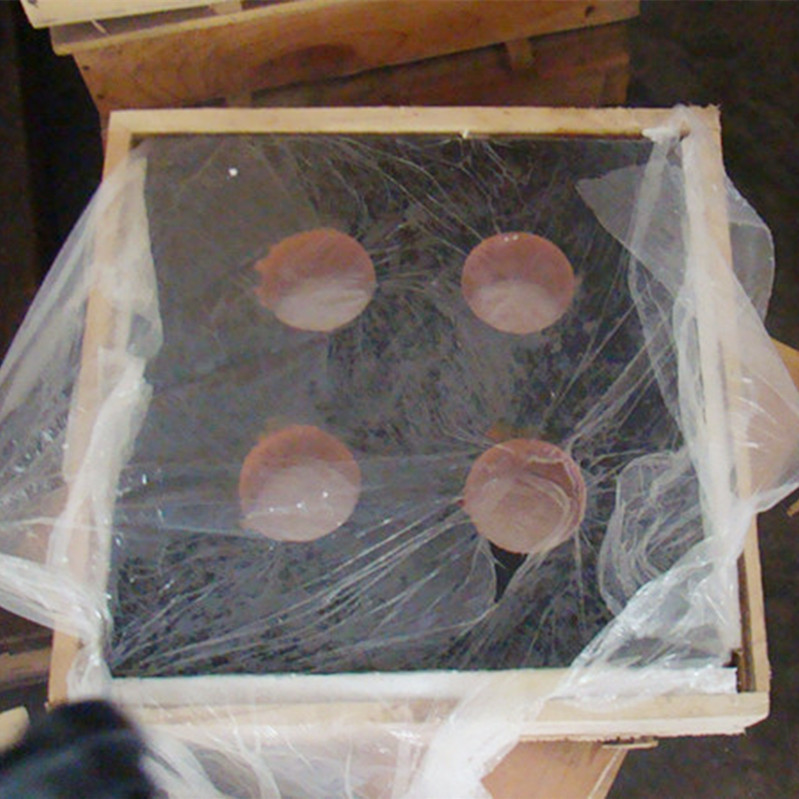
bent laminated glass
The Importance of Accurate Spirit Levels in Construction and DIY Projects When it comes to construction and DIY projects, precision is key. One tool that stands out in ensuring this precision is the spirit level, commonly referred to as a bubble level. Despite its simple design, the accurate spirit level plays a fundamental role in various applications, from building structures to hanging pictures. Understanding the significance of accurate spirit levels can greatly enhance the quality of work in any hands-on project. A spirit level features a sealed tube containing a liquid with a bubble. The tube is mounted on a flat surface, and when the level is placed on a surface, the liquid bubble will show whether the surface is level (horizontal) or plumb (vertical). The versatility of the spirit level translates across numerous tasks, including carpentry, masonry, and plumbing. Whether you are constructing a house or simply assembling furniture, the accuracy of the spirit level can make or break the final product. One of the pivotal reasons why accuracy matters in a spirit level is its impact on safety. In construction, the importance of having walls, ceilings, and other structures built level cannot be overstated. Buildings that are not properly leveled can suffer from structural issues over time, leading to potential hazards . For instance, if a window frame is installed unevenly, it might not only affect the aesthetics of the home but also its insulation and functionality. In severe cases, failure to use an accurate spirit level can result in catastrophic collapses, endangering lives and property. In DIY projects, an accurate spirit level ensures that the object being installed, such as shelves or cabinetry, remains functional and visually appealing. A slightly crooked shelf could lead to items sliding off or a cabinet door that doesn’t close properly. The use of precise tools minimizes these risks, resulting in a finished product that meets expectations both in performance and appearance. accurate spirit level The technology behind spirit levels has evolved over the years. While traditional spirit levels rely on a glass tube and bubble, modern digital levels offer advanced features such as audible alerts and backlit displays for improved visibility. Additionally, with the advent of smartphone apps, users can now level surfaces with their devices, making levelling tasks even more accessible. However, the fundamental principle remains the same – accuracy is paramount. When purchasing a spirit level, there are a few key factors to consider to ensure you select the most accurate tool for your needs. Look for levels that are made from durable materials, such as aluminum or high-quality plastics, as these can withstand the wear and tear of frequent use. Additionally, ensuring that the leveling vial is calibrated correctly is crucial; a level that is out of calibrations can lead to significant errors in your projects. Regularly checking and calibrating your spirit level can help maintain its accuracy. Some levels come with a calibration feature, while others may need manual adjustments. It’s a good practice to check the level against a known flat surface before starting a project, as this simple step can save time and enhance the quality of your work. In conclusion, the accurate spirit level is an indispensable tool in both professional construction and home improvement projects. Its role in ensuring safety, structural integrity, and aesthetic quality cannot be overlooked. As technology progresses, the tools we use may change, but the essential need for accuracy remains constant. For anyone undertaking a project requiring precision, investing in a good-quality spirit level is not just a good idea; it is a necessity. Emphasizing the importance of accuracy in tools can elevate your craftsmanship and ensure that your projects stand the test of time. Remember, the devil is in the details, and in the realm of construction and DIY, those details begin with the humble spirit level.
about
bent laminated glass
Accurate measurements are crucial in metalworking and engineering. From simple rulers to high-precision digital tools, the market offers a variety of measuring tools for sale that suit different industrial applications. These tools help ensure that materials are cut, shaped, and assembled with accuracy, contributing to the overall quality and functionality of a product. Selecting the right measuring tool depends on the required precision, the type of material being worked on, and the scale of the project. Common measuring tools include: Calipers : Ideal for precise internal and external measurements. Micrometers : Offer even finer accuracy for small-scale measurements. Tape Measures : Often used for larger, less precise measurements in initial stages. Digital gauges : Provide high accuracy and can be connected to software for data recording. Available Types: Manual calipers, micrometers, and digital versions. Digital and analog gauges. Laser and optical measurement tools for high-precision tasks. Engineering Measuring Tools for Precision Projects In the field of engineering, precision is paramount. Engineering measuring tools are designed to ensure that projects meet strict design tolerances. These tools are used for everything from assessing material dimensions to verifying alignment and ensuring the accuracy of mechanical components. Some key engineering measuring tools include: Vernier Calipers : Provide highly accurate measurements of internal, external, and depth dimensions, often used in mechanical engineering. Dial Indicators : Used to measure small distances or variations, often in alignment and deflection testing. Laser Measuring Tools : Offer highly accurate distance measurement for both large and small projects. Height Gauges : Used for vertical measurement and marking of workpieces, essential in precision engineering. For engineers, accuracy is the most critical factor when choosing tools. Many of these instruments come with calibration features or are sold with certified accuracy levels to ensure they meet industry standards. Common Tools: Vernier and digital calipers. Dial indicators and height gauges. Precision laser and optical measurement tools. Applications of Gauge Measurement Tools Gauge measurement tools are commonly used in both metalworking and engineering fields to measure various dimensions such as thickness, depth, height, and pressure. These gauges come in several types, each designed for specific applications. Examples of gauge measurement tools include: Feeler Gauges : Used to measure gap widths and clearance between parts, commonly applied in automotive repair and maintenance. Dial Gauges : Measure small linear distances with precision, typically used for alignment checks and precision machining. Thread Gauges : Determine the size, pitch, and diameter of screws and bolts. Pressure Gauges : Monitor fluid pressure in systems like HVAC or hydraulics. Each gauge serves a specific function, ensuring that critical measurements are within acceptable tolerances and that machinery, products, or components work correctly. Common Gauge Types: Feeler gauges for measuring gaps. Dial indicators for linear displacement. Pressure gauges for monitoring system pressures. Importance of Level Measurement Tools in Construction and Metalwork Level measurement tools are essential for ensuring horizontal or vertical alignment in construction, engineering, and metalworking. These tools help verify that surfaces, structures, or components are level and aligned correctly, which is vital for safety and performance. Some of the commonly used level measurement tools include: Spirit Levels : These traditional levels use a liquid-filled vial with an air bubble to determine if a surface is level or plumb. Laser Levels : Provide precise horizontal and vertical alignment using a laser beam, commonly used in construction, engineering, and carpentry. Inclinometers : Measure the angle of tilt or slope, often used in civil engineering and surveying. Digital Levels : Offer high precision and are equipped with digital displays for ease of use, especially in metalworking and construction. These tools ensure the correct positioning of machinery, workpieces, or structures, leading to improved accuracy and safety during construction or assembly. Popular Tools: Spirit levels for general use. Laser levels for large-scale projects. Digital inclinometers for precise angle measurement. Measuring Tools in Metal Work : Ensuring Accuracy and Quality Measuring tools in metal work are essential for maintaining the tight tolerances required in machining, fabrication, and manufacturing processes. Accurate measurements ensure that parts fit together as designed, maintain structural integrity, and function as intended in mechanical systems. In metalworking, precise measurements are required at every stage, from cutting raw materials to final assembly. Some key tools include: Micrometers : Provide precise measurements of small distances or thicknesses, often used in machine shops. Combination Squares : Used for measuring angles and marking straight edges during metal fabrication. Protractors : Ensure accurate angle measurements and cuts, particularly in sheet metal work. Depth Gauges : Used to measure the depth of holes or slots in metal workpieces. These tools allow metalworkers to achieve the precise cuts, shapes, and dimensions necessary for high-quality metal components. Digital versions of these tools are becoming increasingly popular for their ease of use and enhanced precision. Commonly Used Tools: Micrometers for precision measurement. Protractors for angle measurement. Combination squares for marking and measuring edges. Whether you're an engineer, metalworker, or involved in construction, having the right measuring tools is essential for accuracy, precision, and quality in your projects. From gauge measurement tools for intricate measurements to level measurement tools ensuring proper alignment, the market offers a wide variety of engineering measuring tools that cater to diverse applications. Explore the range of measuring tools for sale today to elevate your projects with professional-level precision.
-

High quality industrial productsagement

High quality industrial products
View Details -

Meet the diverse needs of customers

Meet the diverse needs of customers
View Details -

Strict quality control

Strict quality control
View Details -

Top raw materials

Top raw materials
View Details -

Trusted supplier

Trusted supplier
View Details
Our application

news and information
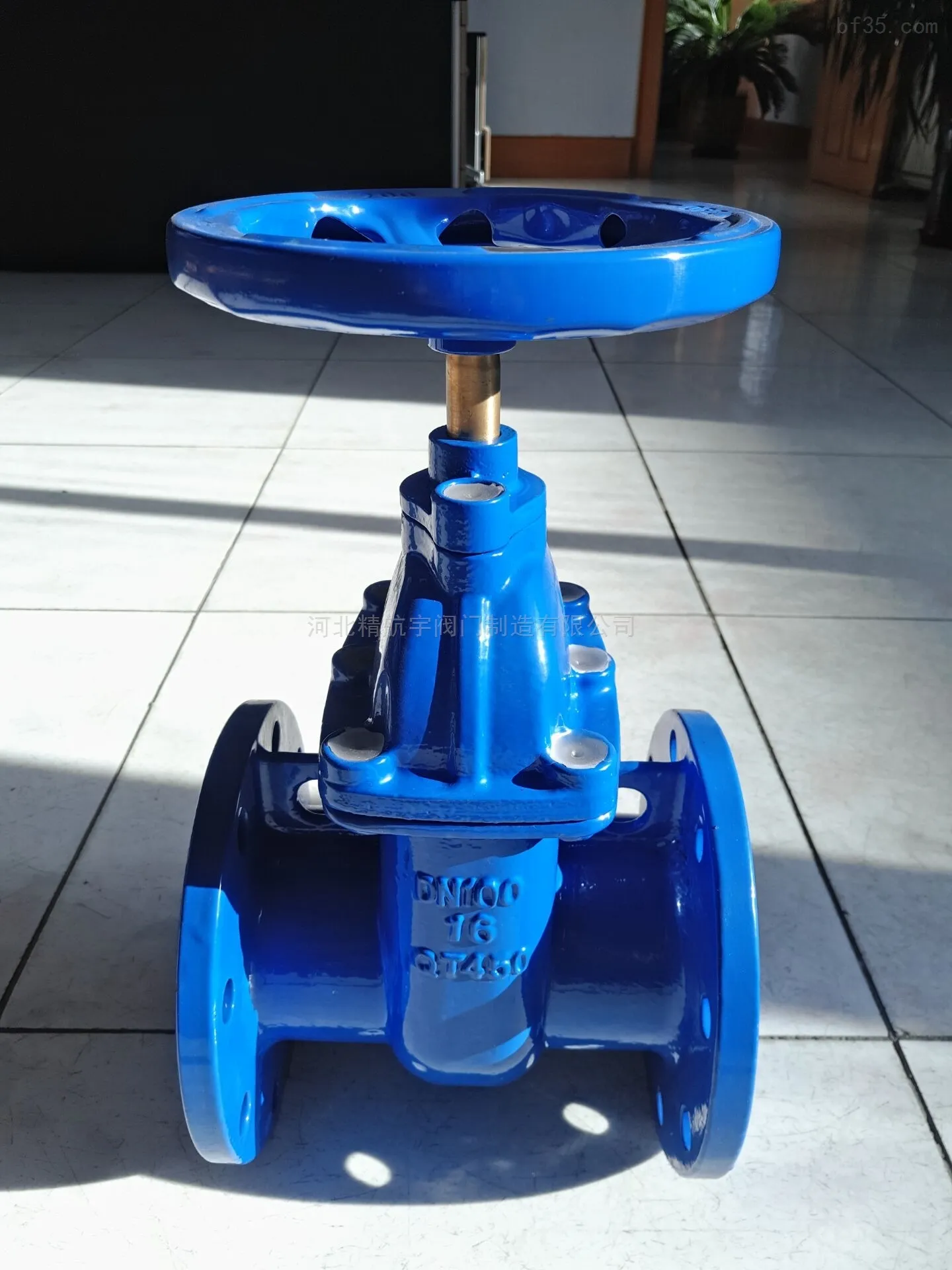
Water Hose Backflow Prevention Valve Inspection and Maintenance Guide
The Importance of Water Hose Check Valves Water hose check valves play a crucial role in hydraulic s
vratový ventil z oceli
Ocelové klapky Klíčový prvek v průmyslových aplikacích Ocelové klapky, známé také jako klapkové vent
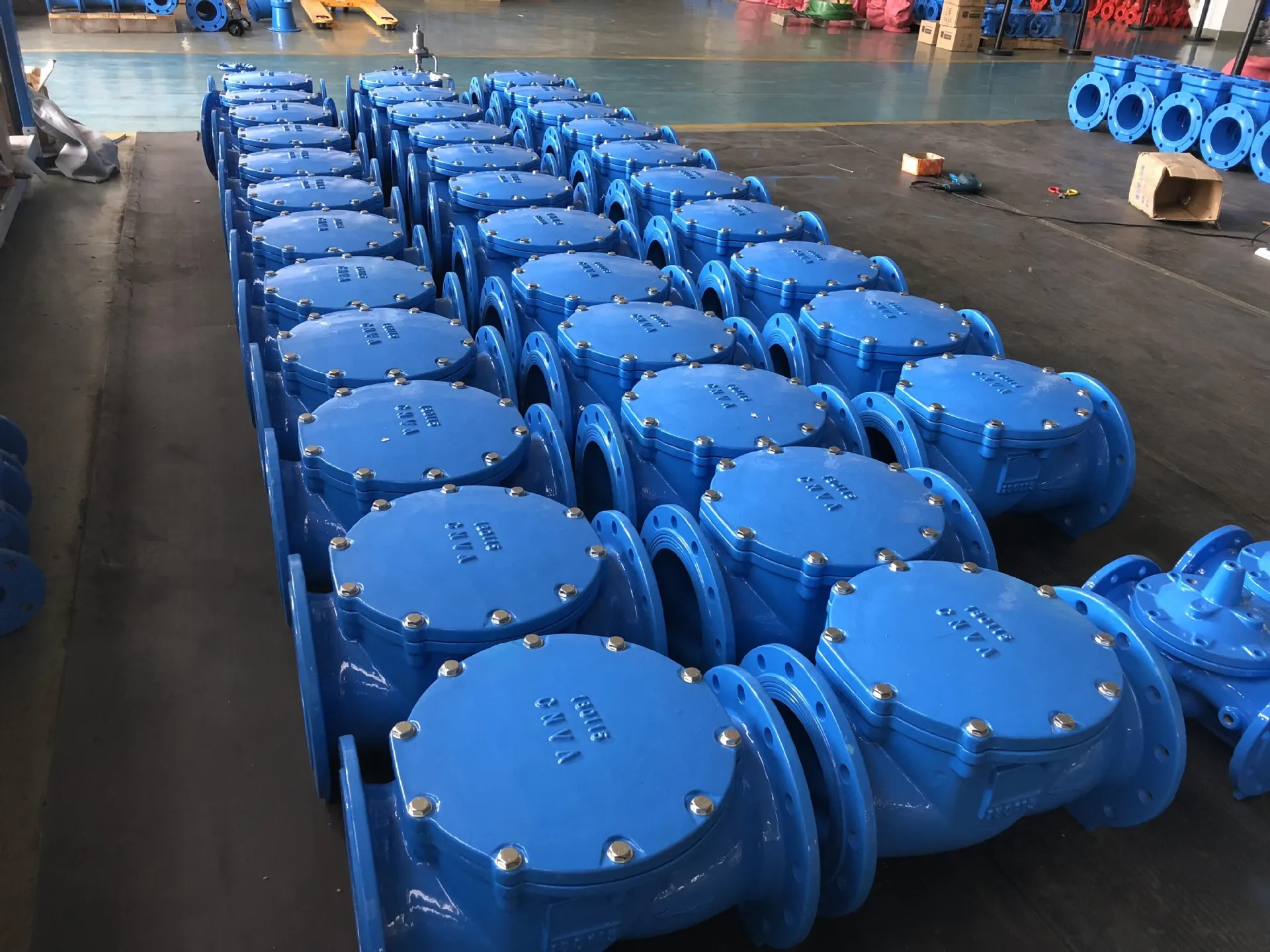
Válvula de mariposa de 1200 mm para aplicaciones industriales y de control de flujo
Válvula de Mariposa de 1200 mm Eficiencia y Aplicaciones en la Industria La válvula de mariposa es u
 English